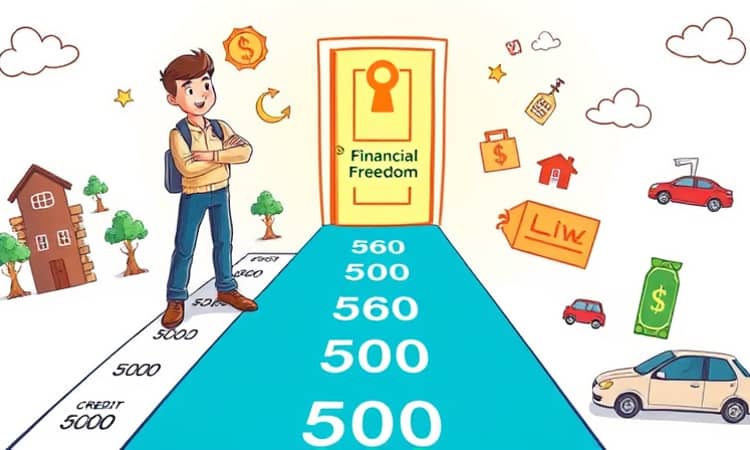
Your credit score is more than just a number; it's a powerful reflection of your financial health that can open doors to your dreams or hold you back from achieving them.
From buying a home to securing a low-interest loan, this three-digit figure silently influences many aspects of your life, often in ways you might not even realize.
Understanding what your credit score means and how to improve it is the first step towards taking control of your financial future, empowering you to make informed decisions that lead to greater stability and success.
Decoding the Number: What is a Credit Score?
A credit score is a numerical prediction, typically ranging from 300 to 850, that estimates your likelihood to repay loans on time based on your credit report data.
It's derived using models like FICO or VantageScore, which analyze your financial habits to assess your creditworthiness.
Lenders use this score to make decisions on loan approvals, interest rates, credit limits, and terms for various financial products such as mortgages, credit cards, and auto loans.
High scores indicate low risk, often referred to as "good" credit, leading to better rates and easier access to credit.
Conversely, low scores signal high risk or "bad" credit, which can result in denials or significantly higher costs.
Beyond lending, credit scores can affect rentals, insurance premiums, and even employment opportunities, making them a crucial aspect of modern financial life.
Why Your Credit Score Matters
Your credit score impacts not only lending decisions but also areas like rentals, insurance premiums, and even employment eligibility in some cases.
Studies suggest that credit scores may correlate with health or financial behaviors, highlighting their broader influence on overall well-being.
A score of 670 or higher is generally considered desirable, with the U.S. average FICO score in 2023 being 715, indicating that many Americans are managing their credit responsibly.
- Lending and Financial Goals: Higher scores secure approvals, lower interest rates, and better terms for mortgages, auto loans, and credit cards.
- Rentals and Insurance: Landlords use scores for tenant screening, and insurers may adjust premiums based on credit-based insurance scores.
- Broader Effects: Influences household spending, access to healthcare via loans or insurance, and can be a factor in employment decisions.
- Surprising Influences: Missed payments can linger on your report for years, and high credit card balances above 30% utilization can hurt your score even if you pay on time.
This wide-reaching impact underscores why maintaining a healthy credit score is essential for financial freedom and security.
Key Factors That Shape Your Credit Score
The FICO model, the most widely used scoring system, breaks down the factors into five weighted categories that determine your score.
Understanding these can help you focus your efforts on the most impactful areas.
VantageScore, an alternative model, emphasizes similar factors but with slightly different weights, prioritizing payment history and total credit usage.
Consistently paying bills on time is the single most important action you can take to boost your score, as it directly affects the largest portion of the calculation.
Keeping your credit utilization below 30% of your limits can significantly improve your credit health by showing lenders that you are not overextended.
A long credit history demonstrates responsible financial behavior over time, which lenders value and rewards you with higher scores.
Avoiding new credit applications limits hard inquiries on your report, protecting your score from temporary dips and potential red flags.
Diversifying your credit types shows that you can manage various financial obligations effectively, adding another layer of credibility to your profile.
Practical Steps to Boost Your Credit Score
Improving your credit score is a journey that requires consistent habits, but with dedication, you can see positive changes over time.
Here are key strategies, prioritized by their impact on your score.
- Pay All Bills on Time: This builds your payment history, which accounts for 35% of your FICO score. Set up reminders or automatic payments to avoid misses.
- Reduce Credit Utilization: Aim to keep your credit card balances below 30% of your available credit. Pay down revolving debt and avoid closing old cards, as this can increase your utilization ratio.
- Keep Old Accounts Open: Maintaining long-standing accounts helps lengthen your credit history, which is 15% of your score.
- Limit New Applications: Each hard inquiry can temporarily lower your score, so apply for new credit only when necessary.
- Maintain a Diverse Credit Mix: Responsibly managing different types of credit, such as a mortgage or car loan alongside credit cards, can positively affect the 10% dedicated to credit mix.
By following these steps, you can gradually build a stronger financial foundation and see your credit score rise.
Additional Tips for Credit Health
Beyond the core strategies, several other actions can support your credit improvement efforts.
- Check your credit reports annually for free via AnnualCreditReport.com and dispute any errors you find.
- Use credit monitoring services that use soft inquiries, which do not affect your score.
- If you have a thin credit file, consider options like secured credit cards or becoming an authorized user on someone else's account responsibly.
- Avoid negative actions such as maxing out credit cards or making multiple credit applications in a short period.
- Remember that income and employment are not factored into your credit score, so focus on the listed factors.
These tips can help you navigate the complexities of credit management with confidence and ease.
Common Credit Score Pitfalls to Avoid
Many people unintentionally harm their credit scores by falling into common traps.
- Canceling unused credit cards, which can hurt your credit utilization and shorten your credit history.
- Ignoring the importance of credit mix by not diversifying your accounts.
- Opening loans just to improve mix, which can lead to unnecessary debt.
- Believing myths, such as the idea that checking your own score lowers it—this is a soft inquiry and does not impact your score.
- Neglecting to address past-due accounts quickly, as delays can worsen the damage to your score.
Awareness of these pitfalls is crucial for protecting your credit health and avoiding setbacks.
The Long-Term Benefits of Good Credit
Building and maintaining a good credit score can lead to numerous advantages over time.
- Lower interest rates on loans, saving you thousands of dollars in the long run.
- Easier approval for rentals and better insurance premiums.
- Enhanced financial stability and access to opportunities like homeownership.
- Improved overall financial literacy and health, as good credit habits often translate to better money management.
- Peace of mind knowing that you're prepared for future financial needs and emergencies.
Ultimately, a good credit score is a gateway to financial freedom and success, enabling you to achieve your goals with less stress and more confidence.
Start today by reviewing your credit report and implementing these strategies to take charge of your financial destiny.
Embrace the journey, and watch as your efforts transform your credit score and unlock new possibilities in your life.