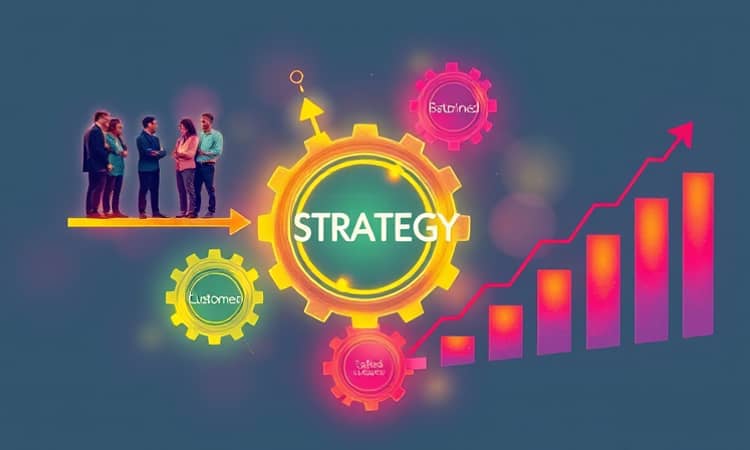
In today’s complex business environment, leaders face the challenge of aligning daily operations with long-term objectives. The Balanced Scorecard (BSC) emerges as a beacon, offering a structured yet flexible framework to bridge the gap between vision and execution. By integrating financial indicators with customer insights, internal processes, and learning initiatives, organizations can cultivate a culture of continuous improvement while ensuring each team member contributes to overarching goals.
This article delves into the principles, tools, and real-world impact of the Balanced Scorecard. Whether you are a seasoned executive or an emerging leader, you will gain actionable strategies to harness this powerful tool and drive sustainable success.
Understanding the Balanced Scorecard
Developed in the early 1990s by Robert Kaplan and David Norton, the Balanced Scorecard was born out of the need to look beyond traditional financial measures. Organizations realized that solely focusing on profits could skew decision-making and overlook critical drivers of future growth. The BSC addresses this by providing a comprehensive set of actionable performance measures across four key perspectives: Financial, Customer, Internal Business Processes, and Learning & Growth.
Each perspective anchors specific objectives, metrics, targets, and initiatives, creating a cohesive system that illuminates the cause-and-effect relationships linking day-to-day activities to strategic priorities. This holistic approach empowers teams to track progress, identify course corrections, and celebrate milestones.
Since its inception, the Balanced Scorecard has evolved through rigorous academic research and practical adaptation. Early adopters in manufacturing pioneered its use to balance cost control with quality improvements. Over time, service industries, government agencies, and nonprofits customized the model to suit unique stakeholder needs, from donors and regulators to patients and citizens. This evolution underscores the BSC’s adaptability across organizational types and sizes, making it a versatile compass for leaders worldwide.
The Four Perspectives: A Balanced View
At its core, the Balanced Scorecard answers fundamental questions that guide organizational priorities:
Consider a mid-sized software firm: by linking training hours (Learning & Growth) to development cycle time (Internal Processes), they achieved faster releases, leading to higher customer retention and revenue growth. This cascade of cause and effect illustrates how small shifts in foundational areas can yield outsized benefits.
Building a Strategy Map: Visualizing Success
A strategy map is a visual tool that outlines the causal links among objectives across the four perspectives. By positioning Learning & Growth objectives at the base and financial goals at the apex, teams can see exactly how investments in people and technology ripple through operations to impact customer loyalty and bottom-line results.
Begin by listing strategic objectives in each quadrant, then draw arrows to depict how learning initiatives empower process improvements, which elevate customer experience and ultimately drive profitability. Use color-coded symbols or swimlanes to group similar objectives, ensuring clarity and visual appeal. Strategy maps promote transparency and foster cross-functional collaboration at every level. When employees understand how their roles contribute to overarching aims, they become engaged stakeholders in the organization’s journey.
Implementation Steps: From Vision to Action
Embarking on this journey demands participation from all levels. Host workshops where cross-functional teams brainstorm objectives and agree on priorities. This collaborative approach builds ownership and ensures the scorecard reflects on-the-ground realities.
- Clarify mission and vision: Collaborate with leadership and stakeholders to define core purpose and strategic direction.
- Identify strategic objectives: Articulate goals across all perspectives using SMART criteria.
- Select metrics and KPIs: Choose balanced indicators that reflect both leading and lagging measures.
- Set targets and initiatives: Establish realistic benchmarks and actionable projects to drive performance.
- Communicate and cascade: Align departments, teams, and individuals through strategy maps and regular updates.
- Monitor and review: Track progress, gather feedback, and adjust targets to foster continuous learning.
Real-World Impact: Benefits of the Balanced Scorecard
Organizations that adopt the Balanced Scorecard experience transformative benefits:
- Strategic alignment: Ensures every team member, from front-line staff to executives, is marching toward the same goals.
- Data-driven decision-making: Provides a balanced mix of quantitative and qualitative insights to inform strategic choices.
- Improved accountability: Assigns clear ownership for objectives, boosting engagement and performance.
- Proactive risk management: Reveals early warning signs across multiple dimensions beyond financial results.
- Sustainable growth: Balances short-term gains with investments in people, innovation, and operational excellence.
Case Study: Phoenix Tech started with a fragmented approach to performance. After implementing a Balanced Scorecard, they centralized data dashboards, aligned departmental goals, and introduced monthly scorecard reviews. Within a year, they reported a 20% increase in customer satisfaction and a 12% rise in net profit.
Overcoming Challenges and Ensuring Sustainability
While the Balanced Scorecard can deliver substantial rewards, implementation is not without hurdles. Leaders should be vigilant against common pitfalls:
- Overloading with KPIs: Too many metrics can dilute focus and overwhelm teams.
- Ignoring qualitative insights: Anecdotal feedback can reveal underlying issues that numbers miss.
- Skipping senior sponsorship: Without executive support, initiatives often stall.
To overcome these obstacles, keep metrics focused and prioritized, embed review cycles into governance processes, and foster a culture of accountability through transparent communication. By addressing these factors head-on, organizations can unlock the full potential of their scorecards and sustain long-term momentum.
Inspiring Continuous Improvement
The true power of the Balanced Scorecard lies not just in tracking metrics, but in nurturing a mindset of perpetual growth. When teams witness the tangible outcomes of their efforts—whether it’s a rise in customer satisfaction scores or a breakthrough in process efficiency—they gain confidence and purpose.
Embrace the Balanced Scorecard as more than a management tool; see it as a catalyst for transformation. Let every objective, metric, and initiative serve as stepping stones toward your organization’s vision. With a strategic framework that guides every decision, you are equipped to navigate uncertainty, seize new opportunities, and create lasting value.
Begin your journey today: map your strategy, align your teams, and measure what matters. The path to quantifiable success awaits.