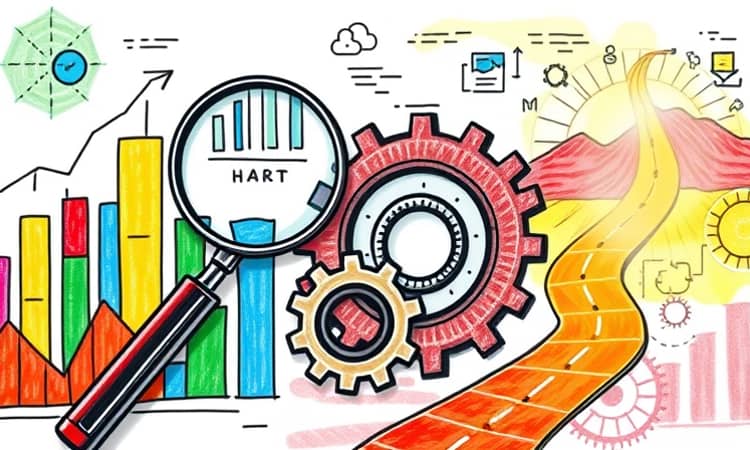
In a world where businesses must adapt at breakneck speed, performance diagnostics have become the compass that guides leaders toward measurable, data-driven growth. By uncovering hidden gaps and aligning every action with strategic goals, organizations can transform challenges into opportunities.
Unveiling the Power of Performance Diagnostics
Performance diagnostics are more than just audits—they are systematic assessments of organizational health. When applied correctly, they isolate breakdowns at the corporate, process, and individual levels, offering a clear roadmap to higher productivity and profitability.
The true strength of diagnostics lies in their ability to:
- Reveal latent inefficiencies in processes and teams
- Validate assumptions with empirical data
- Prioritize interventions based on impact and severity
With these insights, leaders no longer react to crises—they anticipate and prevent them.
Key Metrics and Indicators that Matter
At the heart of any diagnostic effort are Key Performance Indicators (KPIs). These quantifiable measures reveal strengths, weaknesses, and hidden opportunities. Common examples include:
- Customer Retention Rate: Tracks loyalty and satisfaction over time
- Employee Engagement Score: Gauges workforce morale and commitment
- Net Profit Margin: Measures financial health after expenses
Beyond these, diagnostics may examine debt structure, SKU rationalization, or industry benchmarking. By aligning operations with goals, organizations turn raw numbers into actionable intelligence.
Comparing Core Diagnostic Frameworks
Several structured approaches have been developed to streamline diagnostics and maximize impact. Below is a concise comparison of the most influential frameworks:
Each framework offers its own lens. Some emphasize stakeholder alignment and synthesis, while others dive deep into behavioral antecedents and consequences.
Implementing Diagnostics for Lasting Change
Successful implementation transforms insights into momentum. Follow these essential steps:
- Preparation: Define clear objectives and gather financial, operational, and market data.
- Analysis: Identify root causes of gaps using dashboards and visualizations.
- Engagement: Involve key stakeholders to validate findings and gather context.
- Recommendations: Prioritize quick-wins and long-term strategies; develop detailed action plans.
- Monitoring: Establish continuous review cycles to track progress and refine tactics.
By embedding diagnostics into a regular rhythm, teams cultivate a culture of continuous improvement and agility.
Real-World Transformations and Outcomes
Consider an organization struggling with rising costs and stagnant market share. Through a tailored diagnostic, the team uncovered misaligned incentives in its sales force and outdated production workflows. Within weeks, they launched targeted training programs, revised commission structures, and automated key processes.
As a result:
- Operating costs fell by 12% while output increased by 8%.
- Employee satisfaction rose, reducing turnover by 20%.
- Market share expanded, driving a 15% lift in quarterly revenue.
This transformation was not accidental—it was the outcome of data-driven decision making and steadfast execution.
Overcoming Challenges with Proven Practices
Diagnostics can be daunting if approached superficially. To ensure success, remember to:
Differentiate "can’t do" versus "won’t do": Address skill gaps with training and motivation issues with incentives. Avoid one-size-fits-all fixes.
Stay focused on core objectives: Tailor the process to your organization’s unique needs and challenges, rather than chasing every new trend.
Integrate with strategic planning: Use diagnostic findings to inform annual plans, risk assessments, and resource allocation.
Foster transparent communication: Share insights and progress with teams to build ownership and momentum.
By adhering to these best practices, organizations avoid common pitfalls and amplify the impact of their diagnostic efforts.
Ultimately, performance diagnostics are not a one-time exercise but a strategic capability. When embraced fully, they empower leaders and teams to anticipate challenges, seize opportunities, and chart a bold course toward sustainable growth.