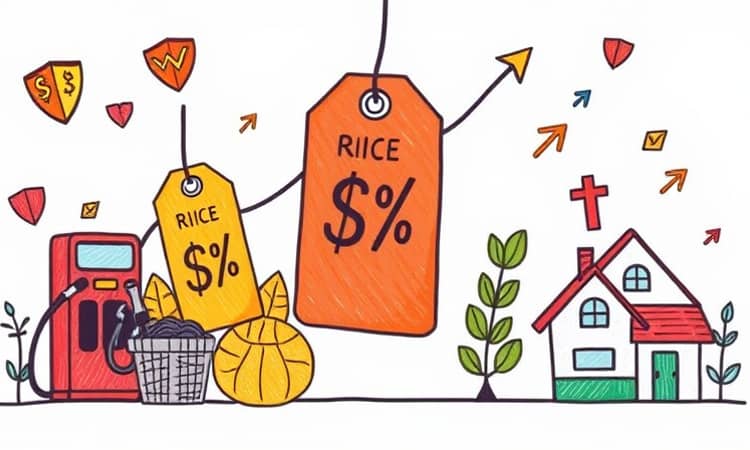
Inflation touches every corner of our financial lives, from grocery bills to retirement savings. Understanding its forces and preparing smart strategies can ensure you not only survive but thrive amid rising prices.
Understanding Inflation and Measurement
Inflation represents a steady loss in purchasing power where each dollar buys fewer goods over time. The Consumer Price Index (CPI) remains the primary gauge.
The CPI tracks price movements of a fixed basket of goods and services, reflecting changes in housing, food, energy, and transportation costs. When CPI rises, your money’s real value declines.
Left unchecked, inflation can erode savings held in low-yield accounts, forcing households to adjust budgets and rethink long-term financial goals.
Root Causes of Inflation
- Demand-pull inflation: This emerges when aggregate demand exceeds available supply, often after significant fiscal stimulus or seasonal spending surges.
- Cost-push inflation: Triggered by rising production and input costs such as labor, raw materials, or energy, pushing firms to pass higher expenses onto consumers.
- Expansion of money supply: Central banks may inject liquidity through quantitative easing, creating more money chasing the same goods and fueling price rises.
- Supply chain disruptions: Events like pandemics or geopolitical tensions lead to shortages, elevating costs and risking stagflation—persistent inflation combined with stagnant growth.
- Wage-price spiral: As wages climb, consumer purchasing power increases, prompting businesses to raise prices and igniting a self-reinforcing cycle.
- Imported inflation: Currency depreciation makes imported goods pricier, indirectly boosting domestic price levels.
Effects on Purchasing Power and the Economy
When inflation accelerates, each dollar loses value, impacting budgets, savings, and investments. For retirees, withdrawals in the drawdown phase can shrink in real terms, jeopardizing long-term security.
High inflation influences consumer behavior: households delay big purchases or shift spending to essential items. Businesses may struggle to plan capital expenditures amid uncertain input costs.
Persistent inflation can unanchor expectations, embedding higher price and wage demands into economic decisions. In extreme cases, stagflation can take hold, pairing elevated price increases with weak growth and rising unemployment.
Strategies to Protect Purchasing Power
Combining growth-oriented assets with defensive positions helps portfolios outpace inflation while managing risk. Tailor your approach to your investment horizon and risk tolerance.
- Equities (Blue Chips): Invest in stable companies with strong pricing power and dividend history across sectors like consumer staples, utilities, healthcare, and energy.
- Inflation-Linked Bonds (TIPS): These government securities adjust principal and interest payments in line with CPI, offering a direct hedge.
- Commodities: Exposure to oil, metals, and agricultural products provides a natural hedge against input cost rises.
- Real Assets: Real estate and infrastructure can generate rental income and appreciate in nominal terms during inflationary periods.
Practical Personal Finance Tips
- Review Your Budget: Identify and trim non-essential expenses to redirect savings into inflation-resistant assets.
- Optimize Savings Vehicles: Use high-yield accounts or certificates of deposit with automatic transfers for disciplined growth.
- Minimize Cash Drag: Avoid holding large amounts in low-yield checking or savings accounts that lose value against rising prices.
- Balance Emergency Funds: Keep enough liquid assets to cover 3–6 months of expenses while investing the remainder for growth.
For those in a growth phase, prioritize return potential through a diversified blend of equities, real assets, and inflation-linked bonds. Younger investors can tolerate short-term volatility to capture long-term gains.
In retirement or drawdown phases, shift emphasis toward stability and income. Allocate a larger share to TIPS, dividend-paying stocks, and short-duration bonds to preserve capital and maintain purchasing power.
Conclusion
Inflation is an enduring economic force, but with knowledge and disciplined planning, you can safeguard your wealth. By blending equities, inflation-linked instruments, commodities, and sound budgeting habits, you build a resilient financial foundation.
Embrace a proactive approach: continuously monitor economic indicators, rebalance portfolios, and adapt strategies to evolving conditions. In doing so, you transform inflation from a threat into an opportunity for sustainable growth.