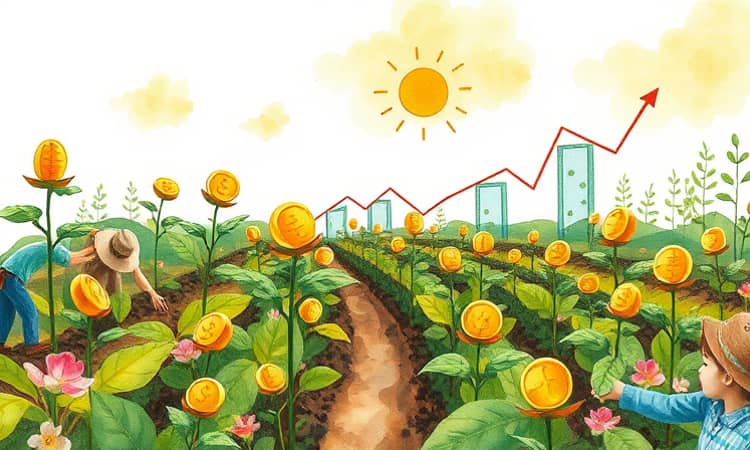
Imagine your financial future as a garden waiting to be tended.
With the right approach, your investments can blossom into a source of security and growth.
This journey begins with strategic planning and unwavering patience.
Just as a farmer nurtures crops, you can cultivate capital through mindful practices.
Embrace the metaphor of growth to transform your portfolio into a resilient ecosystem.
The Soil of Diversification: Building a Strong Foundation
Diversification is the bedrock of any successful investment strategy.
It reduces risk by spreading your capital across various assets.
Think of it as planting different seeds to ensure a harvest regardless of weather.
Modern Portfolio Theory supports this approach for optimizing returns.
Key elements include asset class, sector, and geographic diversification.
Here’s a table outlining essential asset classes and their roles:
Within each class, further diversification enhances resilience.
For equities, mix large, mid, and small-cap stocks.
Value and growth stocks offer complementary risk profiles.
Dividend stocks can provide steady and reliable income streams.
Consider these tactics for within-asset diversification:
- Equities: Balance sectors like technology with utilities.
- Bonds: Vary maturities and credit qualities.
- Real Assets: Include direct holdings and funds.
This layered approach mitigates volatility and fosters steady growth.
Sowing Seeds Across Geographies and Sectors
Don’t limit your investments to one region or industry.
Geographic diversification taps into global economic cycles.
Developed markets offer stability, while emerging markets promise growth.
Sector diversification balances tech innovations with traditional industries.
For instance, tech stocks might surge, but consumer staples provide consistent demand and low volatility.
Key strategies for geographic and sector spread include:
- Invest in both domestic and international funds.
- Allocate to sectors like healthcare and industrials.
- Use ETFs for broad exposure with low costs.
This ensures your portfolio thrives in diverse economic conditions.
Farmland: A Metaphor for Sustainable Growth
Farmland investing embodies the essence of cultivating capital.
It offers low correlation to traditional assets, acting as a hedge.
With trends like precision farming, technology is revolutionizing agriculture.
AI and data analytics can boost yields significantly.
Sustainability practices enhance long-term viability and align with ESG values.
Key 2026 trends in farmland include:
- Technology integration with AI and IoT in farming.
- ESG factors driving consumer demand for clean food.
- De-chemicalization and regenerative agriculture.
- Crowdfunding platforms lowering entry barriers.
- Policy incentives for sustainable practices.
Farmland management requires regular monitoring, much like portfolio oversight.
Soil health and biodiversity are crucial for sustained yields.
This mirrors how investors should proactively adjust and nurture their holdings.
2026-Specific Opportunities: Harvesting the Future
Looking ahead, several trends can shape your investment strategy.
AI in agtech is projected to grow rapidly, with high valuations by 2034.
ESG investing gains traction, with many companies reporting revenue growth.
To capitalize, consider adding bonds and international stocks.
Boost exposure to small-cap and value stocks for diversification.
High-quality fixed income can benefit from declining interest rates.
Private markets offer targeted strategies for sophisticated investors.
Key actions for 2026 include:
- Shift towards inflation-hedging assets like real estate.
- Embrace technology-driven sectors for growth potential.
- Focus on sustainability to align with consumer trends.
Stay agile to adapt to evolving market dynamics.
Practical Steps for Nurturing Your Portfolio
Start by defining your financial goals and assessing risk tolerance.
A long investment horizon favors growth-oriented assets.
Implement these actionable steps to cultivate your capital:
- Set clear objectives and review them annually.
- Allocate assets across classes based on your goals.
- Diversify within classes using the strategies discussed.
- Rebalance your portfolio regularly to maintain allocations.
- Monitor trends and adjust as needed for optimal growth.
Regular rebalancing ensures alignment with your risk appetite.
Use tools like robo-advisors for automated allocation based on theory.
Monitor performance and make changes, just like tending a garden.
Additional best practices include:
- Keep emergency funds in liquid assets for security.
- Educate yourself on market trends and innovations.
- Seek professional advice when necessary for complex decisions.
This disciplined approach fosters long-term and sustainable wealth accumulation.
Conclusion: Reaping the Rewards of Patience
Cultivating capital is a journey that demands patience and care.
By nurturing your investments with diversified and sustainable approaches, you build resilience.
Embrace the garden metaphor, where steady growth leads to bountiful harvests.
Start today, and watch your financial future blossom with confidence and purpose.
Remember, the key is to stay committed and adaptable over time.
With these strategies, you can transform uncertainty into opportunity.
Your portfolio will thrive, much like a well-tended plot of land.