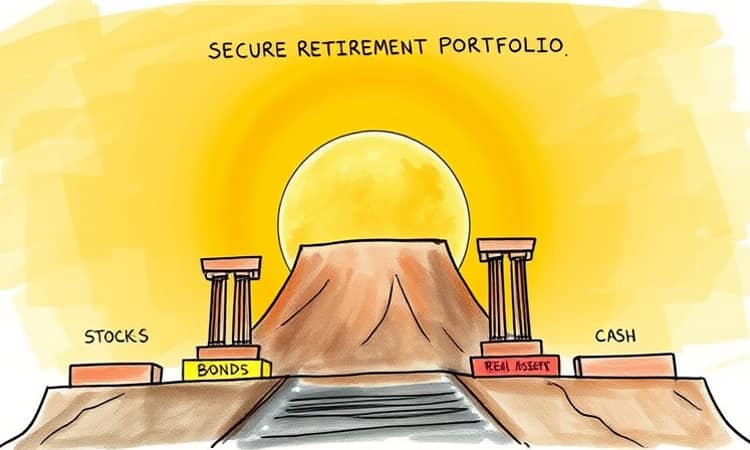
Retirement marks a profound transition: a shift from earning a paycheck to funding a lifetime of aspirations. Building a portfolio that stands the test of decades requires foresight, discipline, and a clear understanding of evolving risks. In this guide, we outline how to construct a plan that not only preserves wealth but also fuels your dreams.
- provide reliable income for decades through systematic withdrawals
- preserve purchasing power against inflation in healthcare and living costs
- manage sequence-of-returns risk effectively in volatile markets
- balance growth and safety through diversification across assets
- adapt portfolio over time as needs and markets shift
Understanding Retirement Risks
Retirees face multiple threats that can erode savings or undermine a secure future. Recognizing these risks allows you to build defenses into your strategy rather than reacting under pressure.
- Longevity risk: Outliving assets demands equity exposure even after stopping work.
- Inflation risk: General inflation assumed at 2–3%, healthcare at 3–4%, can decimate cash.
- Sequence-of-returns risk: Poor early returns combined with withdrawals can cause permanent damage.
- Interest-rate risk: Bond prices fall when rates rise, but high-yield cash equivalents offer opportunities.
- Behavioral risk: Emotional reactions—panic selling or chasing returns—often cost more than markets do.
Saving Targets and the 4% Rule
Establishing clear benchmarks helps track progress and make course corrections. Many major asset managers suggest aiming for 8–10× your pre-retirement salary saved by age 65. That figure aligns roughly with assumptions of a 30-year retirement horizon and sustainable spending rates.
The classic 4% rule prescribes withdrawing 4% of your initial portfolio in year one, then adjusting for inflation thereafter. Research by Bengen, the Trinity Study, and Blanchett indicates that a starting equity allocation of 50–75% historically supports this withdrawal over 30 years with a high success probability.
For many households, hitting a nest egg equal to 25–30 times anticipated annual expenses provides a robust foundation. Regularly revisiting these targets ensures you stay on track, even as market returns and personal circumstances evolve.
Strategic Asset Allocation: Rules of Thumb and Model Portfolios
Determining how much to allocate to stocks, bonds, and cash often begins with simple heuristics. The classic Rule of 100 (100 minus your age equals percent in stocks) has given way to Rules of 110 or 120 to account for longer lifespans and the need for growth.
At age 65, for instance, Rule of 120 suggests a 55% stock allocation, whereas Rule of 100 implies 35%. Adjusting between these extremes based on risk tolerance tailors the approach to your comfort level.
Building Block Assets: Diversification and Stability
Constructing a robust portfolio entails blending different asset classes, each serving unique roles in growth, income, or protection.
- Equities for long-term growth
- Fixed income for stable income
- Cash and short-term reserves for spending needs
- Alternatives and real assets for inflation resilience
Equities remain the primary driver of long-term growth outpacing inflation. A diversified equity sleeve might include U.S. large-cap core exposure, developed international, emerging markets, and dividend-growth stocks that can provide a rising income stream aligned with inflation.
Bonds and fixed income deliver stable income from a fixed income ladder and dampen volatility. Investment-grade corporates, U.S. Treasuries, TIPS, and nontraditional bonds each play a role. A TIPS ladder matching expected annual spending forms the bedrock of a liability-focused approach, shielding purchasing power.
Maintaining a cash buffer for safety—12–24 months of expenses in money markets, CDs, or short-term bonds—prevents forced sales of volatile assets during downturns. Higher short-term yields in 2025 make CD ladders an attractive option.
Adding 10–20% in alternatives like real estate, infrastructure, commodities, and inflation-linked securities can fortify your portfolio against unexpected price surges. REITs and commodities often move differently than stocks and bonds, offering diversification benefits.
Implementing and Managing Your Portfolio
With a strategic allocation defined, execution and ongoing management become critical. Establish a disciplined rebalancing schedule—annually or when allocations drift beyond predefined bands—to lock in gains and maintain risk levels.
Adopt a systematic withdrawal plan aligned with spending needs and market conditions. Bucket strategies, where short-, medium-, and long-term reserves fund expenses in tiers, can mitigate sequence-of-returns risk and reduce anxiety during downturns.
Behavioral discipline is as important as asset selection. Avoid panic-driven portfolio changes when markets wobble. Instead, stay anchored to your long-term plan, revisiting assumptions and allocations only when life circumstances or financial goals shift materially.
Finally, build in regular reviews to adapt your plan. As you age, health and spending patterns evolve, as do market regimes and interest-rate environments. Periodic check-ins with a trusted advisor—or through self-directed evaluations—ensure your retirement-ready portfolio remains aligned with your secure future.
Crafting a retirement-ready portfolio is both an art and a science: blending aspirations with rigorous risk management. By following clear goals, leveraging proven allocations, and maintaining discipline, you can pursue a retirement filled with confidence, resilience, and the freedom to enjoy each day.