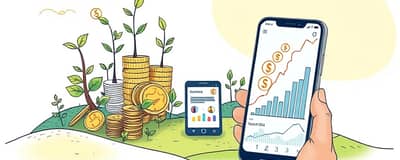
As we step into 2026, the landscape of personal finance is evolving rapidly, challenging us to move beyond traditional saving methods.
With 84% of Americans resolving to save this year, the urgency to adopt smarter strategies has never been greater.
Yet, statistics show that 80% of resolutions fail by February, often due to a lack of effective planning and outdated approaches.
This isn't just about stashing cash in a piggy bank; it's about embracing innovation and intentionality.
Amid affordability worries where 1 in 3 people expect finances to worsen, the key lies in leveraging new trends and building sustainable habits.
The journey from financial stress to security starts with understanding the shifts ahead.
The End of the Piggy Bank Era
The classic piggy bank symbolizes simple saving, but in today's complex world, it falls short.
We need proactive systems that adapt to changing economic conditions and personal goals.
Financial experts emphasize that intentionality over deprivation drives long-term success.
By focusing on smart habits, you can turn aspirations into achievable plans.
Harnessing AI for Automated Saving
Artificial intelligence is revolutionizing how we manage money.
From predictive spending alerts to automated investment routing, AI tools make saving effortless.
Apps like Monarch Money and Fiscal.ai use conversational AI for tracking and investing via simple prompts.
This technology plugs leaks such as late fees and forgotten subscriptions.
Enable features like biometric security and passkeys to protect your data while streamlining your finances.
AI nudges can guide you to save more without feeling the pinch.
Lock in Yields Before Rates Drop
With the Federal Reserve expected to continue cutting rates, high-yield opportunities are shrinking.
It's crucial to secure favorable returns now to maximize your savings growth.
Consider locking in certificates of deposit or bond ladders while online high-yield savings accounts offer around 4% APY.
This proactive move can shield your cash from declining yields.
Refinancing debt becomes easier as rates fall, so assess your mortgages and loans for better terms.
Acting swiftly can save you thousands over time.
Side Hustles 2.0 for Extra Income
The side hustle economy is booming with AI assistance, lowering barriers to entry.
Tools that handle invoicing and marketing automatically let you focus on earning more.
Funnel extra income directly into savings by setting aside 30% for taxes and emergencies.
Start with a goal of $1,000 and build towards 3-6 months of expenses.
Invest in retirement accounts like 401(k)s or IRAs with employer matches to compound your earnings.
Every dollar saved today grows through the power of compounding.
2026 Financial Trends at a Glance
Core Habits: 26+ Proven Tactics
Building a solid foundation requires consistent habits.
Start with these actionable steps to transform your saving game.
- Conduct regular expense audits to identify and cut unnecessary costs.
- Shop for insurance to potentially reduce premiums by 50% in 24 hours.
- Avoid convenience stores where small purchases add up quickly.
- Implement smart meal planning using grocery apps to halve your food bill.
- Optimize energy usage at home to lower utility expenses.
- Explore bartering or carpooling to save on fuel and wear.
Additionally, leverage free resources like public lands for recreation and libraries for entertainment and education.
- Practice digital minimalism to reduce exposure to tempting ads.
- Use budgeting apps and cash envelopes to stay on track.
- Download fuel apps like GasBuddy to save on every gallon.
- Only maintain memberships that you use frequently, such as car washes.
- Invest in preventative maintenance, like roof sealant, to avoid costly repairs.
- Buy snacks in bulk to cut down on impulse spending.
Budgeting Blueprints for Success
Choosing the right budgeting system can make all the difference.
Here are popular methods to consider.
- The 50/30/20 rule: Allocate 50% to essentials, 30% to lifestyle, and 20% to goals and debt.
- Envelope system: Use cash limits for categories like groceries and hobbies to control spending.
- Zero-based budgeting: Assign every dollar a job, ensuring no money is wasted.
Automate these systems with apps like YNAB or EveryDollar to maintain consistency.
Track your real spending patterns to create an achievable budget.
Investing Your Savings Wisely
Savings alone aren't enough; investing accelerates growth.
Start small and be consistent.
- Build an emergency fund of 3-6 months of essential expenses.
- Contribute 15% of pre-tax income to retirement, including employer matches.
- Use Health Savings Accounts (HSAs) for medical expenses with tax advantages.
- Consider high-yield savings accounts, CDs, and bond ladders for short-term goals.
- Invest in tax-advantaged accounts like IRAs and 401(k)s for long-term wealth.
Remember, compounding works best with time, so start early and increase contributions gradually.
Debt Strategies to Accelerate Growth
Managing debt is crucial for financial freedom.
Adopt strategies that work for your situation.
- Avalanche method: Pay off debts with the highest interest rates first while making minimum payments on others.
- Snowball method: Focus on smallest balances for quick wins and motivational momentum.
- Refinance high-interest debt, such as credit cards or mortgages, to lower rates.
Automate payments to avoid missed deadlines and additional fees.
Structure beats willpower when it comes to debt payoff.
Conclusion: Small Steps to Big Dreams
Achieving big dreams doesn't require drastic changes overnight.
It's about taking consistent, intentional actions that add up over time.
Embrace the trends of 2026, from AI automation to side hustles, and build habits that sustain your savings.
With automation and proactive planning, you can turn financial resolutions into reality.
Start today by auditing one expense or setting up an automated transfer.
Every small step brings you closer to the life you envision, free from financial worry.